Getting Weird Was the Best Decision Riverdale Ever Made
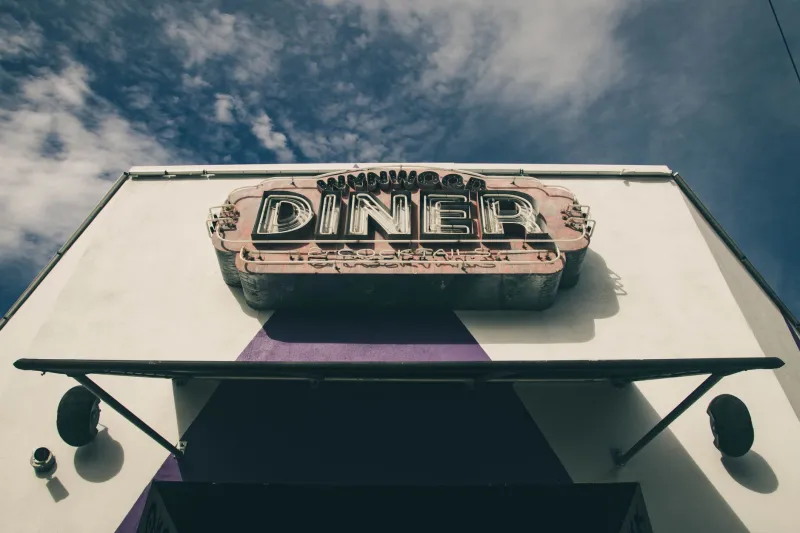
There's a version of this conversation that goes the same way every time. Someone brings up Riverdale, someone else groans, and then comes the inevitable eulogy for Seasons 1 and 2 — the "good" seasons, the ones with murder mysteries and moody diners and a show that seemed to actually know what it was doing. Everything after that, the argument goes, was a slow-motion collapse into absurdity.
Here's the thing though: that take is wrong. And the longer it goes unchallenged, the more it distorts what actually made Riverdale worth watching in the first place.
The "Good Old Days" Weren't That Good
Season 1 gets treated like a lost masterpiece, and sure, it had momentum. The murder of Jason Blossom was genuinely gripping, the small-town atmosphere was thick, and the show wore its Twin Peaks influences like a badge of honor. But go back and rewatch it with fresh eyes. The pacing drags in places. Several major characters — Jughead especially — feel underserved by a plot that keeps pulling focus back to the same narrow circle. The mystery resolves in a way that's dramatically satisfying but emotionally thin. And Season 2? The Black Hood storyline started strong and then stumbled badly across the finish line, with a reveal that left a lot of fans genuinely deflated.
The critical consensus locked in early: these were the seasons when Riverdale had "promise." Everything that followed was treated as a betrayal of that promise. But promise isn't the same as delivery, and a show that's merely promising isn't automatically better than one that's fully committed — even if what it's committed to is completely unhinged.
When Riverdale Stopped Apologizing
Something shifted around Season 3, and critics called it a breakdown. Gargoyle Kings. Gryphons and Gargoyles. Characters speaking in fever-dream dialogue while the show's internal logic seemed to dissolve entirely. The reviews were rough. The discourse was rougher.
But here's what actually happened: Riverdale found its frequency.
The show had always been operating in a heightened register — nobody in an actual small town talks like Cheryl Blossom, and no real high school football game carries the dramatic weight of a Greek tragedy. The grounded seasons were always a performance of groundedness, a thin layer of realism stretched over something much stranger underneath. Once the show dropped that pretense, everything underneath could finally breathe.
The later seasons are messy, sure. But they're messy in the way that ambitious things are messy. The musical episodes weren't a gimmick — they were the show leaning into a theatrical sensibility that had always been lurking in its DNA. The Archie-as-boxer arc was ridiculous, but it gave KJ Apa more to do than he'd had in two full seasons of playing the same conflicted golden boy. The time jump created genuine narrative space for characters who had started to feel trapped in amber.
Character Work That Actually Landed
Here's an argument that doesn't get made enough: the later seasons gave Riverdale's ensemble room to grow in ways the early seasons never did.
Veronica Lodge is a perfect example. In Season 1, she's a reformed mean girl with a complicated dad. That's the whole character. It takes until the show goes fully off the book — when she's running a speakeasy, navigating mob politics, and building something of her own — that Veronica actually becomes interesting. The grounded version of that character was always going to hit a ceiling. The unhinged version had somewhere to go.
Cheryl Blossom is the clearest case of all. Every single one of her best moments — the gothic manor storylines, the supernatural elements, the absolutely unreal line deliveries — came from the seasons critics wrote off. The early Cheryl was compelling in a one-note way. The later Cheryl was a full character, one whose grief and rage and dark humor had actual texture. That didn't happen despite the show getting weird. It happened because of it.
Even Jughead's evolution, which frustrated a lot of book fans, made more sense in the context of a show that had committed to its own surreal logic. He worked better as an unreliable narrator in a world that had stopped pretending to be realistic.
The Comparison Critics Don't Want to Make
There's a useful comparison sitting right there in the cultural landscape, and it's a little surprising it doesn't come up more: Twin Peaks. The original run of that show is celebrated as a masterpiece — until it isn't, until the second season loses the thread of Laura Palmer's murder and gets strange and difficult and alienating. For decades, that second season was the cautionary tale. Then The Return happened, and suddenly critics were reexamining everything, acknowledging that the weirdness was always the point.
Riverdale isn't Twin Peaks. It's not trying to be. But the critical pattern is strikingly similar — a show gets praised for its surface genre elements, then punished when it pushes past them into stranger territory, and the consensus calcifies before anyone stops to ask whether the strange territory might actually be where the show lives.
Riverdale's later seasons aren't a betrayal of the show's potential. They're the show finally operating without a safety net, and that's genuinely more interesting television than a well-executed mystery that plays it safe.
What "Good TV" Actually Means Here
The standard by which the early seasons get praised is basically: they resembled other TV that critics already knew how to evaluate. They had recognizable genre markers, coherent plotting, a tonal consistency that made them easy to write about. That's a real quality. It's just not the only quality that matters.
The later seasons are harder to evaluate because they're operating by different rules. They're maximalist where the early seasons were restrained. They're emotionally operatic where the early seasons were emotionally grounded. They ask the audience to meet them somewhere unusual instead of delivering the familiar goods.
That's not a failure. That's a creative choice, and it's one that — when it works — produces television that's genuinely singular. There is no other show that does what Riverdale does in its wildest moments. The grounded version of this show could have been replicated by any competent showrunner working in the teen drama space. The weird version? That's something else entirely.
The Show Found Its Voice. We Just Weren't Ready.
Fan discourse has a long memory and a short attention span for revision. The take on Riverdale's later seasons hardened fast, and it's been repeated so many times that it's started to feel like fact. But the actual viewing experience tells a different story — one where a show that started out borrowing from better sources eventually figured out what it was, stopped borrowing, and made something that only it could make.
That's worth more than a clean mystery with a tidy resolution. It's worth more than a grounded drama that earns respectful reviews and gets forgotten in a year. Riverdale at its strangest is Riverdale at its most alive, and if that takes some getting used to, the rewatching will get you there eventually.
The weird seasons aren't the fall from grace. They're the whole point.