Turn It Up: The Needle Drops That Say What Riverdale's Writers Won't
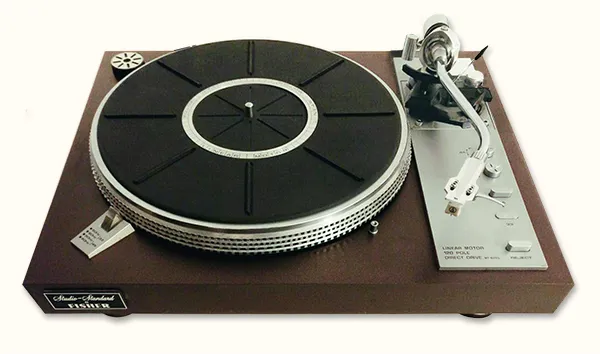
Photo: WmArbaugh, CC BY-SA 4.0, via Wikimedia Commons
Here's a fun exercise: watch any Riverdale scene with the sound off, then watch it again with just the music. The second version is almost always better. That's not an accident. Somewhere along the way, Riverdale's music supervisor became the most honest writer in the writers' room — the one person willing to admit what a scene is actually about.
The dialogue will tell you Archie is being brave. The song playing underneath will tell you he's about to do something incredibly stupid. Guess which one you believe.
The Haunted Cover Economy
Riverdale didn't invent the slowed-down, minor-key cover of a pop song — that trick predates the show by a decade. But man, did it industrialize the practice. Every era of the series has its signature sound: a breathy female vocal, a lone piano, a tempo dragged down just enough to make you feel like something terrible is about to happen in a diner.
The covers work because they weaponize familiarity. When the show strips a song you've heard a thousand times down to its bones, it forces you to hear the lyrics as if for the first time — and suddenly that chorus about heartbreak is playing over Betty staring at a wall, and it means something new. It's emotional shorthand. Why spend three scenes establishing dread when one distorted synth note can do it?
Is it subtle? Absolutely not. Riverdale has never once been subtle. But it is effective in a way the show's actual plotting rarely managed.
The Spiral Signal
Every longtime viewer learned to read the musical cues like weather patterns. Certain sounds meant certain things:
- The stripped piano cover — someone is about to cry, confess, or discover a body
- The moody indie track during a party — this party will not end well
- The unexpected upbeat needle drop — enjoy it, because this is the calm before the season finale goes feral
- The dramatic string swell — a twist is landing in roughly eight seconds
The genius move was how the music tracked character deterioration. As Archie spiraled deeper into vigilantism, as Betty's dark side resurfaced, as Jughead's narration got more unhinged, the soundtrack shifted with them. The songs became a barometer. You didn't need a monologue to know a character was losing it — you just needed to notice the music getting colder.
The Moments That Earned Their Place
Every fan has their list, but a few needle drops live rent-free in the collective memory. The musical episodes deserve their own monument — love them or hate them, watching these characters burst into song mid-murder-mystery was a level of commitment to the bit that no other show has matched.
Then there are the quieter ones. The songs that played over Jughead's narration in early seasons, back when the show still believed it was a small-town mystery. The track under Betty and Veronica's first real bonding scene. The music over Pop's at night, when the neon glow made a burger joint feel like the last lit room in a dying town.
That last one matters more than the show ever admitted. Pop's was the emotional center of Riverdale, and the music understood that before the scripts did. Every scene in that diner — milkshakes at midnight, vigils after tragedy, secret meetings over banana splits — landed because the soundtrack treated it like sacred ground.
Why the Music Had to Do the Work
Here's the uncomfortable read: Riverdale's dialogue was often too busy being quotable to be truthful. The characters spoke in aphorisms and noir pastiche. "I'm weird," Betty says. "This town is dark," says basically everyone. It's all declaration, very little feeling.
So the music became the subtext. When a character claims they're fine and the soundtrack swells with something aching and unresolved, the song is telling you the truth the script can't. It's the difference between a show that tells you how to feel and one that lets a chord progression do it.
That's why the soundtrack holds up better than the plot does. Rewatch a random episode today and the story beats might make you laugh for the wrong reasons — but the needle drops still land. Music doesn't have plot holes.
The Verdict
Riverdale was many things — ambitious, unhinged, occasionally incoherent — but its ear was always good. The soundtrack never phoned it in, never got lazy, never stopped doing the emotional labor the dialogue refused to do. In a show built on twists that erased each other, the music was the one continuous thread of sincerity.
So the next time someone mocks the show, cue up one of those haunted covers. Let them hear what Riverdale was actually saying underneath all the noise. The songs never missed.