The Voice in the Booth: What If Jughead Has Been Lying to Us This Whole Time?
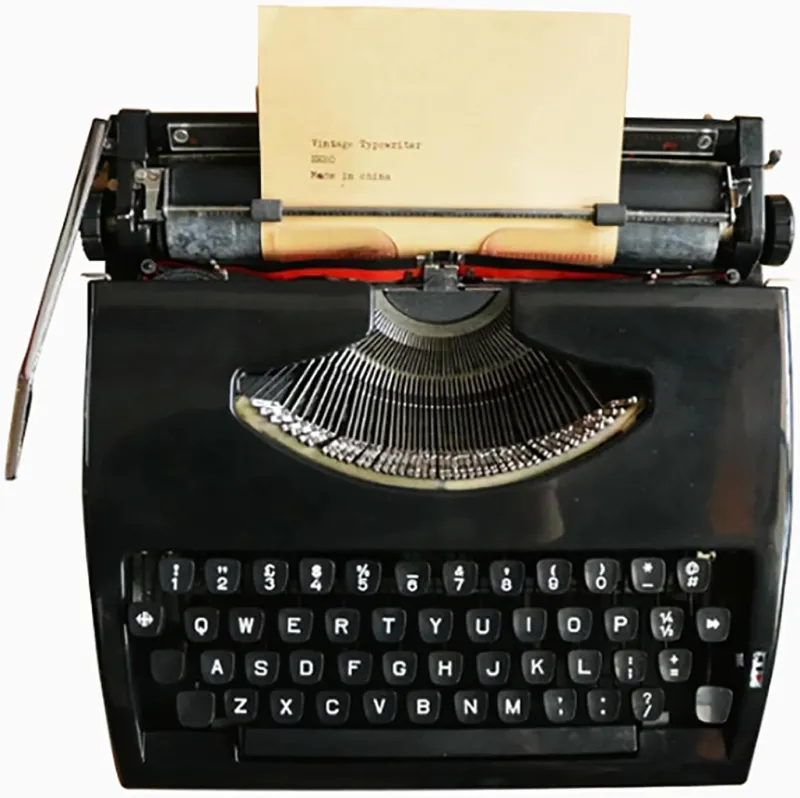
Photo: typewriter notebook diner booth neon light noir teenager beanie, via m.media-amazon.com
Riverdale has always had a storyteller. Even when the plot was falling apart, even when the timeline made no sense, even when a character came back from the dead with a new haircut, Jughead Jones was there to explain it. His voiceover is the show's security blanket. It tells us what happened, what it meant, and who to blame.
But what if the voiceover is not reliable? What if the narrator is not the camera? What if Riverdale has been telling us a story about telling stories, and we have been treating it like a police report?
The Narrator Who Writes Himself Into the Story
Jughead is not a neutral observer. He is a writer, an investigator, a gang leader, a boyfriend, a son, and a guy who has a lot of feelings about a diner. He is also the person narrating the show. That is a lot of jobs for one teenager with a beanie.
The problem is not that Jughead lies. The problem is that he has reasons. He wants to be the hero. He wants to protect the people he loves. He wants the story to make sense, even when his own life does not. A narrator who wants something is a narrator who edits. And Riverdale gives him plenty to edit.
Comic-Book Logic as a Coping Mechanism
Riverdale has always looked like a comic book. The colors are too bright. The villains are too theatrical. The dialogue sounds like it was written by someone who has never met a teenager but has watched a lot of movies about them. That style is not just aesthetic. It is a clue about how the story is being told.
When the world looks like a comic panel, the narrator gets to decide what counts as real. A murder becomes a mystery. A cult becomes a season arc. A parent's affair becomes a betrayal with a soundtrack. Jughead frames the chaos because framing is how he survives it. The show's visual language suggests that we are not watching facts. We are watching a memory that has been shaped into a story.
The Case Against the Voiceover
Once you start looking for cracks in Jughead's narration, they are everywhere. Characters change personalities depending on who is centered. Major events are forgotten or rewritten. Parents' backstories shift like sand. People who should be dead show up again. The town itself seems to reset whenever the plot needs a new beginning.
Fans have spent years fighting about these inconsistencies. Is it bad writing? Is it a different timeline? Is it a dream? Is it all just Riverdale being Riverdale? Those are fair questions. But there is another question that is more interesting: who benefits from this version of the story?
If Jughead is unreliable, then the contradictions are not just errors. They are edits. They are the places where memory fails, where trauma swallows detail, where a writer turns a mess into a myth. Riverdale becomes a story about a kid trying to make sense of a town that refuses to make sense. The voiceover is not the truth. It is the coping mechanism.
What Changes If We Stop Trusting Him
Everything changes. The show stops being a mystery about what happened and becomes a mystery about why this is the story we are being told. We stop asking whether a timeline adds up and start asking who needs it to add up. We stop treating Jughead as the audience surrogate and start treating him as a character with a narrative agenda.
That does not ruin Riverdale. It makes it richer. The show's messiness becomes a feature, not a bug. The repeated stories, the resurrected characters, the seasons that feel like they are happening in a dream: all of it can be read as the work of a narrator who is trying to hold a broken town together with prose.
The Unreliable Narrator as a Love Letter
Maybe Jughead is lying. Maybe he is forgetting. Maybe he is doing both and calling it literature. But the unreliable narrator reading does not make Riverdale a trick. It makes it a love letter to the people who tell stories about the places that raised them.
Riverdale is a town built on secrets. Jughead is the kid who writes them down. Of course his version is dramatic. Of course it loops back on itself. Of course the truth is slippery. He is not reporting on Riverdale. He is trying to survive it.
So the next time the voiceover tells you what happened, ask yourself a small question: according to whom? That question does not break the show. It opens it up.