Milkshakes, Memes, and Midnight Group Chats: What It Actually Felt Like to Watch Riverdale Live
Photo: U.S. Department of State from United States, Public domain, via Wikimedia Commons
Ask any Riverdale fan where they were on a Wednesday night between 2017 and 2023, and they can tell you. Not because the show demanded it — because the fandom did. Watching Riverdale was never a solo activity. It was a weekly appointment with thousands of strangers who agreed, without ever formally organizing, to lose their minds together in public.
This is the part of the story that never makes the official retrospectives. The show ended. The discourse lives on.
The Ritual of the Live Watch
The mechanics were sacred and universal. Show starts at 8/7 Central. Phone face-up. Group chat open. Twitter (we're not calling it anything else) loaded and ready. The rules were unwritten but strictly enforced:
- No spoilers for the West Coast. A crime punishable by excommunication.
- Screenshot anything unhinged immediately. It will be needed as evidence later.
- Jughead's beanie gets its own commentary thread. Non-negotiable.
The live-tweeting was an art form. The show moved fast enough that you had to post in real time or risk your take being obsolete by the next commercial break. Fans developed a shared vocabulary — the scream-tweet, the all-caps theory, the "I'm not even going to say anything, just look at this frame" post. Every episode generated a hundred micro-moments, and the fandom processed them all simultaneously, in public, at high speed.
The Theory Industrial Complex
Between episodes, the fandom became a research institution. Reddit threads ran thousands of comments deep. Fans built timelines, cross-referenced throwaway lines, and produced frame-by-frame analyses of trailers that would embarrass actual film scholars.
The beautiful thing about theorizing about Riverdale specifically was that the show rewarded absolutely no level of scrutiny — and the fandom did it anyway. Theories were less predictions than creative writing prompts. Half the fun was building an elaborate case for what would happen, watching the show do something no one predicted, and then rebuilding from the rubble by Thursday morning.
The dream sequence reveals, the identity twists, the season finales that invalidated everything — none of it killed the theory culture. It fed it. A predictable show produces bored theorists. Riverdale produced the most caffeinated theorists on the internet.
Shipping as a Contact Sport
No oral history of Riverdale fandom is complete without the shipping wars, which were less debates than full civic conflicts. Every pairing had its defenders, its hashtags, its compilation videos set to sad pop songs. Ship loyalty outlasted character loyalty — plenty of fans who stopped watching still check in on their ship's tag like it's a hometown sports team.
The wars got intense, sure. But they were also the engine of an enormous amount of creativity. Fan art, fanfic, video edits, alternate-universe threads — the fandom produced a secondary canon bigger than the show itself, and honestly, sometimes better written.
The Group Chat Was the Real Show
Ask fans what they miss most and very few say a specific episode. They say the people. The group chat that assembled every week. The friend met through a theory thread who became a real-life best friend. The watch parties — some over Discord, some in actual living rooms with actual milkshakes, because of course there were milkshakes.
Riverdale gave its audience something rare: a weekly excuse to be ridiculous together. The show was absurd, and the fandom matched that absurdity with total commitment. Nobody was pretending it was prestige TV. Everyone was pretending it was the most important thing on television, which — for three hours every Wednesday — it kind of was.
The Legacy
Plenty of shows have passionate fandoms. Fewer have fandoms that became the show's co-authors, meme departments, and hype machine all at once. Riverdale's audience didn't just watch the chaos — they metabolized it, remixed it, and turned it into community.
The episodes are all streaming now, frozen in the queue. The fandom isn't. It's in the group chats, the annual rewatch threads, the way any of us still can't hear a certain pop cover without texting our friends "Riverdale vibes."
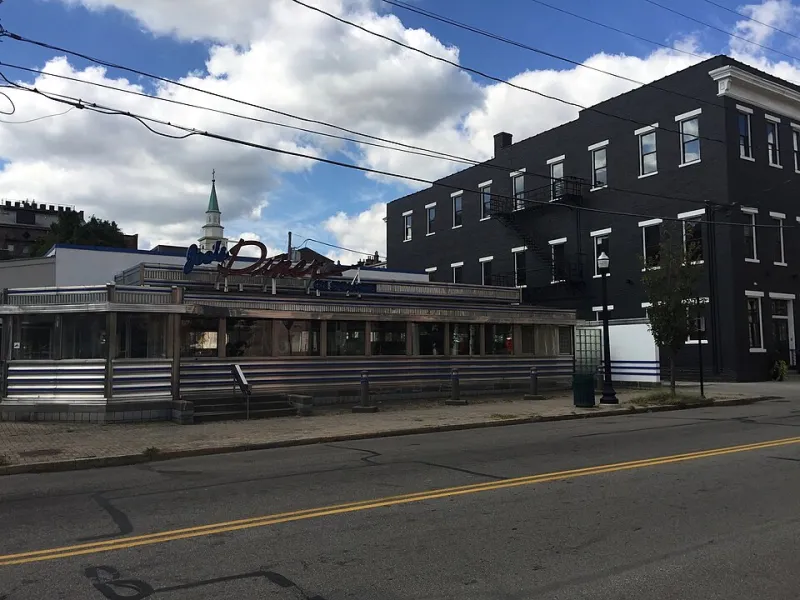
That's the real finale. Not whatever happened on screen — but the fact that thousands of strangers turned a wild, imperfect show into a weekly reason to belong to something. Pop's would be proud.